

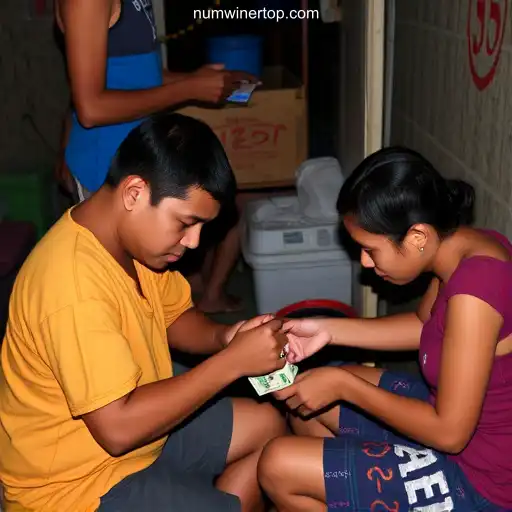
Understanding Jueteng: A Controversial Numbers Game
Jueteng is an illegal numbers game that has been deeply embedded in the cultural and social fabric of certain regions in the Philippines. Despite its illegal status, Jueteng remains highly popular and pervasive, largely due to its simplicity and low entry costs. Players pick a set of numbers hoping they will win if the numbers match those drawn. This game, operated clandestinely in many areas, is deeply rooted in economic challenges and societal traditions.
The Origins and Mechanics of Jueteng
The origins of Jueteng can be traced back to the Spanish colonial period, with influences from Chinese gambling traditions. The word itself is believed to be derived from the Chinese characters "hue" and "teng," meaning flower and listen, respectively. Over time, the game evolved to adopt a more locally nuanced form, although its basic mechanics have largely remained unchanged.
Jueteng involves a straightforward process. A player selects a combination of numbers, usually two, from a pool typically ranging from 1 to 37. After placing their bets with a known and trusted bookie or "kubrador," they await the official draw of numbers. This draw is usually conducted twice daily in the hidden corners of urban and rural settings.
Socioeconomic Dimensions of Jueteng
Jueteng thrives in communities where economic hardship and limited opportunities prevail. For many participants, it serves not only as a potential source of quick cash but also as a form of entertainment and a social activity. With minimal entry costs, Jueteng is accessible to a broad demographic, allowing almost anyone to participate. The hopes of hitting it big by merely investing a small amount of money entice many to engage with it regularly.
However, the socioeconomic impact of Jueteng is complex and multifaceted. The game often thrives on the desperation of its participants, who sometimes allocate essential finances like food and medicine money for their bets. While small wins bring temporary relief, the financial strain caused by constant betting can exacerbate poverty.
The Role of Corruption in Jueteng
The illegal nature of Jueteng means that its continued operation often relies on a network of corruption. There are persistent allegations that local officials, police, and even higher government levels may be complicit or actively involved in turning a blind eye. Accepting bribes in exchange for letting Jueteng exist unabated allows the syndicates running the game to flourish without interference.
While government crackdowns occasionally occur, they rarely lead to long-term solutions. Corruption not only allows Jueteng to continue but also erodes public trust in authorities meant to uphold the law. This creates a vicious cycle where the enforcement of anti-gambling laws becomes inconsistent and ineffectual.
Regulatory Challenges and Attempts at Legalization
Efforts to eradicate Jueteng have proven difficult. Various administrations have attempted to address the issue by increasing police operations and introducing measures to curb the illegal game. Nonetheless, its resilience indicates deeper systemic issues that simple law enforcement cannot easily resolve.
There have been discussions on the possibility of legalizing Jueteng, similar to strategies implemented in countries where underground gambling has been transitioned into a regulated market. Such a change would allow for the generation of tax revenue and the creation of a controlled environment designed to minimize the adverse effects of gambling. However, legalization faces significant opposition from those who argue it normalizes the shadow economy and exploits the financial vulnerability of the poor.
NumWiner and Its Relevance
While exploring solutions, it's essential to consider digital platforms like NumWiner A Plataforma de Apostas #1 do Brasil NumWiner.Com, which operates under regulatory supervision. Platforms like this suggest how technology can play a role in creating fair and transparent gaming environments, though their relevance may differ across cultural and geographic contexts.
Cultural Impact and Future of Jueteng
Jueteng remains a culturally embedded activity in the Philippines, representing both the resilience and challenges within the community. As a societal tradition, it awakens nostalgia and a sense of community, while also posing ethical dilemmas about legality and morality.
Future approaches to Jueteng should consider technological advancements and international gambling regulation successes. Adopting technological approaches proven successful in other regions, ensuring transparency, and providing alternative livelihood sources may be key in addressing Jueteng's complex role in society. Recognizing its cultural roots while focusing on socio-economic improvements will be crucial for finding long-lasting solutions to this pervasive numbers game.